



You’re stuck in traffic on the Monash. The aircon’s barely working. The kids are losing their minds in the back seat. And you’re so parched you could drink bathwater.
You pull into the nearest servo, stumble inside like you’ve just crossed the Simpson Desert, and stand in front of a fridge full of drinks that are basically liquid diabetes in pretty bottles.
The servo drinks aisle is where good intentions go to die. You know you should grab water. You really do. But there’s 47 different types of “enhanced” water, “vitamin” water, “smart” water, and you’re standing there thinking the only smart thing would be leaving immediately.
Here’s the thing about finding a decent drink at a servo or supermarket: it’s not actually that hard once you know what to look for. But you do need to ignore about 90% of what the labels are screaming at you.
The Sugar Trap (And Why Everything’s Lying to You)
Let’s start with the brutal truth. Most drinks you’ll find at a servo are about as healthy as mainlining pavlova.
That bottle of Coke? Ten teaspoons of sugar. The “fruit” juice that’s got pictures of happy oranges all over it? Same deal. The energy drink promising you’ll feel like a superhero? That’s just caffeine and sugar having a punch-on inside your bloodstream, and you’re going to lose.
Even the stuff that pretends to be virtuous is usually having you on. Flavoured waters, vitamin waters, sports drinks for people who haven’t done sport since Year 9 PE. It’s all marketing theatre designed to separate you from your money while making you feel good about choices that aren’t actually good.
The drinks industry has spent decades perfecting the art of making sugar water look like a health product. A picture of fruit here, the word “natural” there, maybe chuck in “electrolytes” because that sounds scientific, and suddenly people are paying $5 for what’s essentially cordial with delusions of grandeur.
Water (But Make It Not Boring)
Right, so water’s the obvious answer. Your body’s about 60% water, not Red Bull, and that’s not changing no matter how many marketing executives try to convince you otherwise.
But let’s be honest. Plain water is boring. It’s the missionary position of beverages. Functional, gets the job done, but nobody’s writing home about it.
Here’s where you can make it interesting without destroying your pancreas in the process.
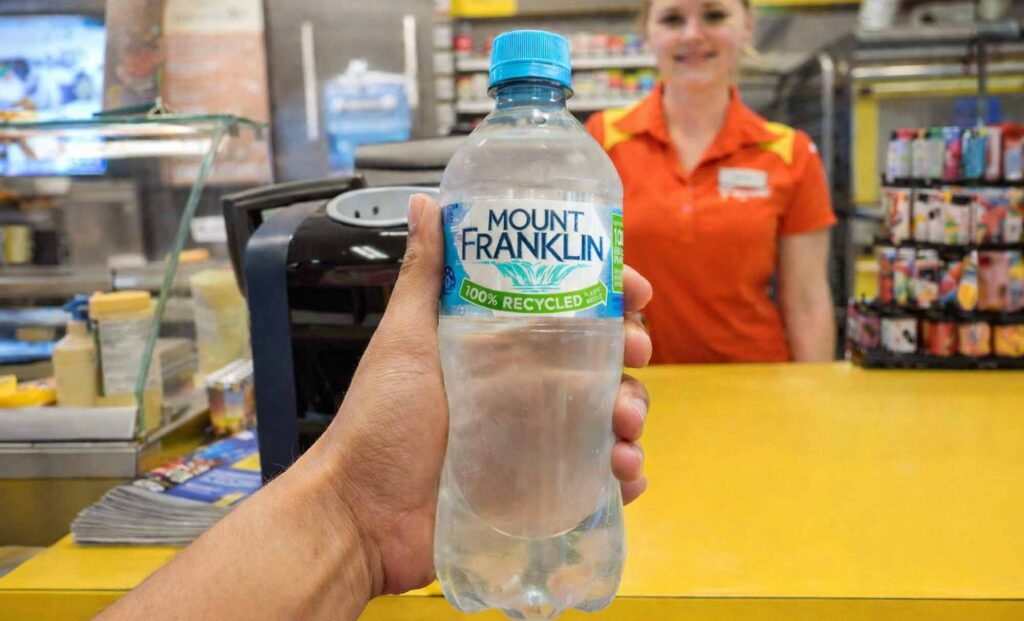
Sparkling water’s having a moment, and fair enough too. You get that fizzy satisfaction without the sugar crash. Mount Franklin Lightly Sparkling, San Pellegrino, even the Woolies own brand stuff. It’s just water that’s had some bubbles shoved into it, maybe with a whisper of fruit flavour that’s so subtle you’re half convinced you’re imagining it.
Coconut water’s another option that’s actually legitimate. Natural electrolytes, proper hydration, and it doesn’t taste like someone dissolved a bag of Warheads in tap water. It’s particularly good after you’ve been sweating like a politician in a corruption inquiry. Just check the label because some brands can’t help adding sugar even when the coconut’s already doing the heavy lifting.
And look, if you’re at a supermarket rather than a servo, grab some lemons or limes and chuck them in your water bottle. Suddenly you’ve got something that feels like you’re making an effort instead of just drinking what comes out of the tap.
Coffee and Tea (The Acceptable Daily Drugs)
Coffee’s fine. Actually, coffee’s better than fine. It’s got antioxidants, it sharpens your brain, and it’s one of the few socially acceptable addictions that won’t get you fired.
The problem is those bottled iced coffee things that taste like someone melted ice cream into cold brew and called it a beverage. Some of them have 30 grams of sugar. That’s not coffee, that’s a dessert pretending to be functional.
Stick with black coffee if you can handle it. Long black, flat white without the caramel syrup or vanilla shot or whatever other nonsense the servo’s trying to upsell you on. Coffee’s good. Coffee plus half the sugar in Queensland is not.
Tea works too. Green tea, black tea, herbal stuff if that’s your vibe. Most of it’s actually good for you in ways that aren’t just marketing departments making things up. Green tea’s loaded with antioxidants, peppermint helps with digestion, chamomile might help you sleep.
Just avoid those bottled iced teas unless you’re reading the label first, because a solid chunk of them are basically soft drinks that went to private school.
Milk (And The Plant-Based Alternatives That Aren’t Terrible)
Plain milk’s genuinely underrated. Protein, calcium, vitamins, and it’ll actually fill you up a bit instead of leaving you hungry ten minutes later.
Full cream, skim, whatever works for you. It’s all fine as long as you’re not grabbing those flavoured milk drinks that are basically milkshakes with identity issues.
The plant-based milk revolution’s made it to servos now, which is either progress or proof that capitalism will commodify absolutely anything. Almond milk, oat milk, soy milk. They’re all fine if dairy’s not your thing, just watch for the sweetened versions because of course they’ve added sugar.
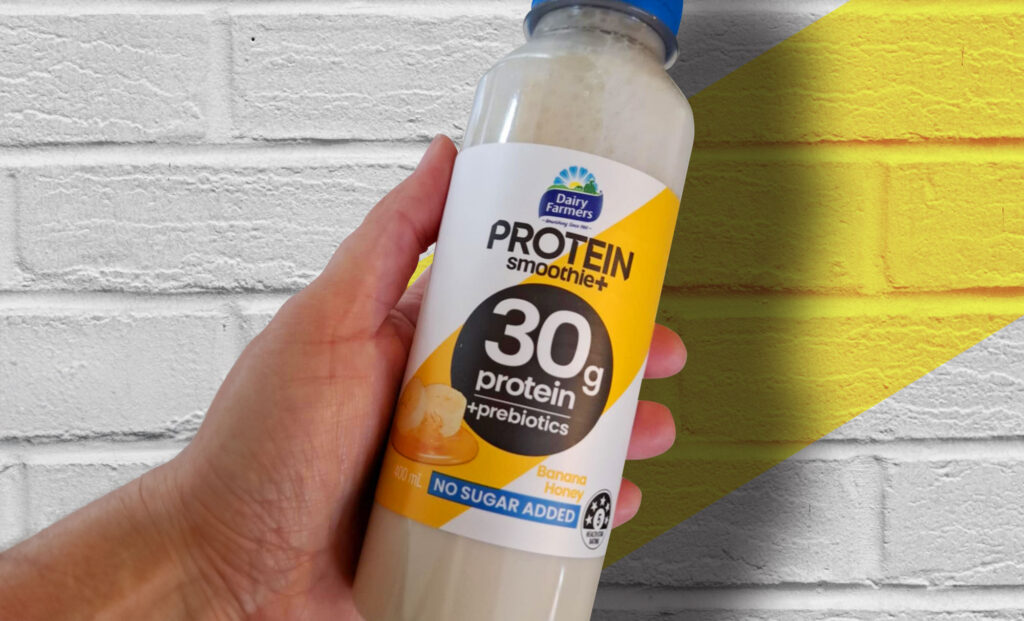
Some of the bigger servos stock those protein milk drinks now. If you’ve actually done a workout or you need something substantial, they can be useful. Look for decent protein content (15-20 grams minimum) and minimal added sugar. Otherwise you’re just paying extra for chocolate milk that went to the gym once.
Fruit Juice (The Biggest Con in the Fridge)
Fruit juice has pulled off one of the greatest marketing cons in history. It’s convinced millions of people that drinking concentrated fruit sugar is healthy just because it came from something that used to hang on a tree.
When you juice an orange, you’re keeping all the sugar and throwing away all the fibre that makes eating actual fruit good for you. A glass of orange juice has as much sugar as Coke, but because there’s a picture of a happy orange on the label, people think they’re being virtuous.
They’re not.
If you’re going to drink juice, make it 100% fruit juice with no added sugar, and treat it like the occasional thing it should be, not your daily morning ritual. Better yet, look for the vegetable-heavy juices that have just enough fruit to make them drinkable.
Cold-pressed juices are everywhere now. They do keep more nutrients than regular juice because of how they’re made, but they’re still concentrated fruit sugar. Drink them if you want, just don’t kid yourself that you’re drinking salad.
Kombucha (The Trendy One That’s Actually Decent)
Kombucha went from weird health food shop thing to mainstream in about five years flat. Now you can find it at Coles, Woolies, and even some servos if you’re lucky.
It’s fermented tea with probiotics that are genuinely good for your gut. People reckon it helps with digestion and general wellbeing, and unlike most health trends, the science actually backs this one up.
Fair warning: kombucha tastes weird. It’s tangy, vinegary, and definitely not for everyone. But if you’re after something interesting that’s actually beneficial instead of just claiming to be, give it a crack.
Just watch the sugar content because some brands add a heap to make it more palatable for people who haven’t developed a taste for drinks that taste like someone’s science experiment.
Sports Drinks (For When You’ve Actually Done Sport)
Sports drinks are mostly unnecessary for about 95% of the people buying them.
If you’ve done 20 minutes on the treadmill or walked to the shops, you don’t need Gatorade. You need water. The electrolytes they’re selling you are solving a problem you don’t actually have.
But if you’ve done genuinely intense exercise for over an hour, sweated through your shirt, or spent the day working in 40-degree heat? Then yeah, sports drinks can actually help. They replace the electrolytes you’ve lost and give you quick energy when you need it.
The key is being honest about whether you’ve actually earned it or whether you’re just convincing yourself that climbing the stairs counts as a workout.
What to Actually Look for on Labels
Reading labels is the difference between making decent choices and getting absolutely conned by marketing departments.
Sugar: Keep it under 5 grams per 100ml. Over 10 grams and you’re in soft drink territory regardless of what the front of the bottle claims.
Ingredients: Shorter is better. If it reads like someone’s Year 11 chemistry homework, put it back.
Serving sizes: Companies play games with this. A bottle will say “only 8 grams of sugar per serve” but then it’s supposedly 2.5 serves. Who drinks 40% of a bottle and stops? Nobody.
“Natural”: This word means absolutely nothing. It’s marketing waffle. Natural sugar is still sugar.
Artificial sweeteners: Diet drinks swap sugar for artificial sweeteners. Lower calories, sure, but the jury’s still out on whether they’re actually doing you any favours long-term.
What to Grab When You’re Desperate
Sometimes you’re stuck at a servo in the middle of nowhere and the drink selection looks like it was chosen by someone who thinks vegetables are a conspiracy.
Here’s your emergency hierarchy:
- Plain water
- Sparkling water
- Plain milk
- Black coffee or unsweetened tea
- Coconut water
- 100% fruit juice (small)
- Diet soft drink (occasionally)
- Regular soft drink (only in genuine emergencies)
Look, having a Coke on a scorching day once in a while won’t kill you. The goal’s making better choices most of the time, not becoming some insufferable health warrior who judges everyone else’s shopping trolley.
The Actual Solution
The best way to avoid the servo drinks dilemma is not putting yourself in that situation.
Keep a water bottle in your car. Brew your own iced tea and chuck it in a thermos. Make smoothies the night before. Stock up at the supermarket when you’re doing the weekly shop so you’ve got decent options at home.
When you do need to buy drinks on the go, supermarkets beat servos every time for selection and price. And some servos are getting better, particularly in the cities. Figure out which ones near you stock actual decent options and make them your regular stops.
The Truth About Servo Drinks
Finding healthy drink options at servos and supermarkets isn’t as impossible as it used to be. Sure, you’re still surrounded by sugar water dressed up in Olympic athlete packaging, but there are genuinely good options if you know what you’re looking for.
Water’s still king. Sparkling water, unsweetened tea and coffee, plain milk, coconut water, occasional kombucha. None of it’s rocket science.
The trick is reading what’s actually on the label instead of believing whatever some marketing department reckons will sell more units. Your body’s not stupid. It knows the difference between hydration and liquid lollies, even if the packaging’s trying to convince you otherwise.
Next time you’re standing in front of that servo fridge, gasping like you’ve run a marathon when really you’ve just driven from Brunswick to Hawthorn, you’ll know exactly what to reach for.
And it probably won’t have “XTREME ENERGY BOOST” written on it in letters that look like they’re exploding.